Seamless vs Sectional Gutters: Which Type Actually Protects Your Home Better
A Roof Built for This Region's Weather
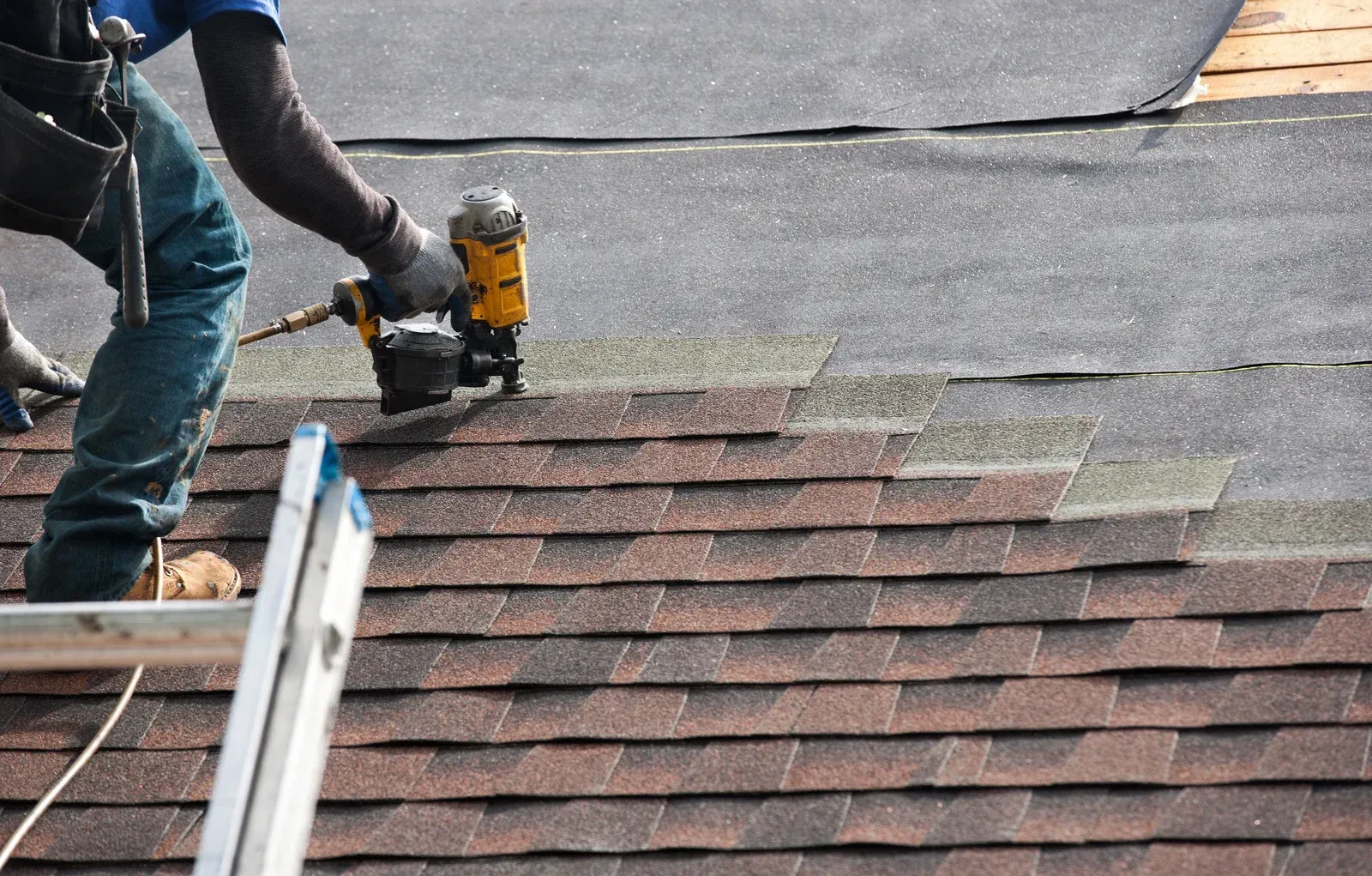
Roofs in central Pennsylvania take a beating that milder parts of the country never see, and the right install is built for it. Winters here run through freeze and thaw cycles, sometimes several in a single week, where snow melts during the day and refreezes at night. That cycle drives ice dams, ridges of ice that form at the eaves and force meltwater backward, up and under the shingles. Without ice and water shield at the lower edge and balanced attic ventilation, that water finds its way inside.
Summers swing the other way, with heat and humidity that bake and warp shingles never rated for it. Add the wind and hail that come with spring storms crossing the region, and you have a climate that punishes shortcuts. A roof installed for this area accounts for all of it: ventilation that manages attic heat and moisture, ice protection at the eaves, and shingles rated for the wind loads we actually get.
A new roof returns a large share of its value at resale, and it ranks among the strongest moves you can make before listing. The reason is simple. Buyers fear two things above almost everything else: foundations and roofs. A roof with visible age signals future work, and future work becomes a negotiating chip that chews into your asking number. Replace it, and you take that chip off the table.
The value also comes from confidence. An appraiser walks the property and notes condition. A home inspector climbs up and checks the field, the valleys, the flashing. When the install is clean and recent, those reports come back without red flags, and a clean inspection keeps deals from stalling. Across this region, where housing stock runs older and many roofs are pushing past their useful life, a recent install stands out even more. It tells everyone the heavy lifting is already done.
Quick Answer: Seamless gutters are formed on site as one continuous run, with joints only at corners and downspouts, while sectional gutters are built from pre-cut lengths joined every 10 to 12 feet. Fewer joints means fewer places for water to escape, which is why seamless systems generally hold up longer against South Central Pennsylvania's mix of heavy summer downpours and repeated winter freeze-thaw cycles. Sectional gutters cost less to install and are easier to patch section by section, which still makes them a reasonable fit for sheds, garages, or short-term rental properties. For a primary residence, the reduced joint count in a seamless system usually means less maintenance and a longer stretch of years before fascia or siding damage shows up behind the gutter line.
Every fall, a homeowner in Hershey climbs a ladder to reseal the same three joints on a sectional gutter that's only eight years old. Each spring, one of those seams weeps again, leaving a rust-colored streak down the fascia board that wasn't there the year before. Nothing about the gutter looks broken from the ground. The problem is hiding at the connection points, where two pre-cut sections meet and depend on a bead of sealant to keep water in the channel instead of running down the side of the house.
That's the real difference between seamless and sectional gutters. It matters more here than it would in a milder, drier climate. Knowing how each system is built, where it tends to fail first, and how the local weather factors into the decision makes it easier to pick the right one for a roofline instead of just the cheaper option off a shelf.
How the Two Systems Are Actually Built
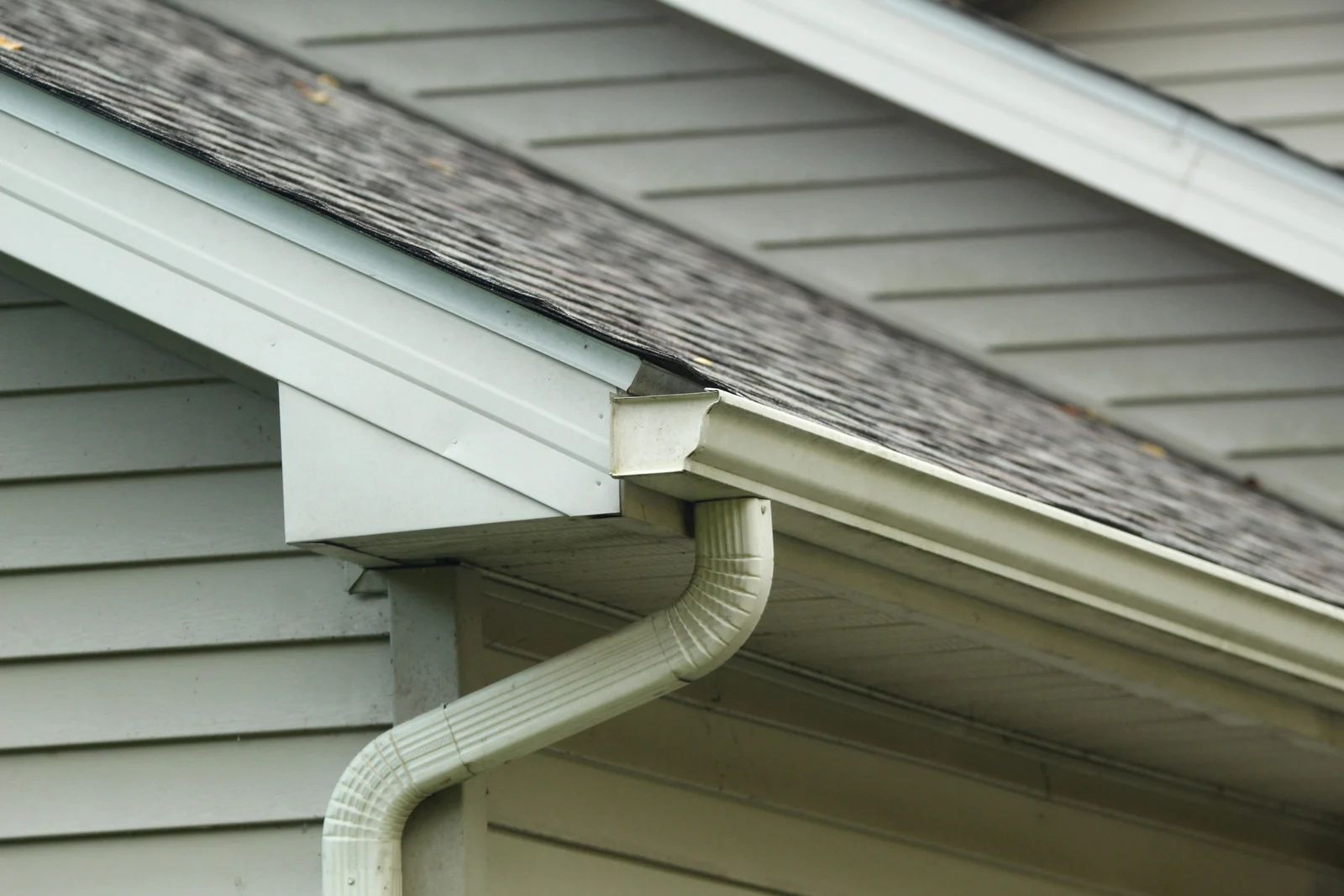
Seamless gutters are formed on site with a portable roll-forming machine that feeds a coil of aluminum, copper, or steel through rollers and shapes it into one continuous length cut to a roofline's exact measurements. Because the run matches the building instead of being pieced together from stock lengths, joints only show up where they can't be avoided: at inside and outside corners and at the downspout outlets. Most homes end up with somewhere between four and eight total joints, no matter how long the roofline runs.
Sectional gutters work the other way around. They're sold in pre-cut lengths, usually 10 to 12 feet, and connected on site with slip-joint connectors and sealant. Any home improvement store carries them, which is why they're the default pick for a weekend do-it-yourself install. A standard two-story home with 150 to 200 linear feet of gutter can end up with 12 to 20 of these connection points, and every one of them relies on sealant that has to hold up through years of temperature swings and standing water.
Why the joint count matters more than it sounds. Every connection point in either system, seamless or sectional, is a spot where two pieces of metal meet and depend on a mechanical fastener or sealant bead to stay watertight. Cutting the number of joints doesn't just lower the odds of a leak in any given year. It shrinks the total list of places that ever need inspecting, resealing, or repairing over the life of the gutter.
Where Sectional Gutters Break Down First
The metal itself, aluminum or steel, usually holds up fine on its own. Sectional gutters almost never fail in the middle of a length. They fail at the overlap, where two sections connect and depend on sealant instead of solid material to stay closed.
Sealant bonds well when it's fresh. But it's a different material than the gutter around it, with its own rate of expansion and contraction, and repeated temperature swings pull at that bond until it cracks or lets go. A joint that looked tight on install day can start weeping within a few years, especially with the freeze-thaw cycling this region gets from late winter into early spring. Once a seam starts to separate, water finds the gap long before it's visible from the ground.
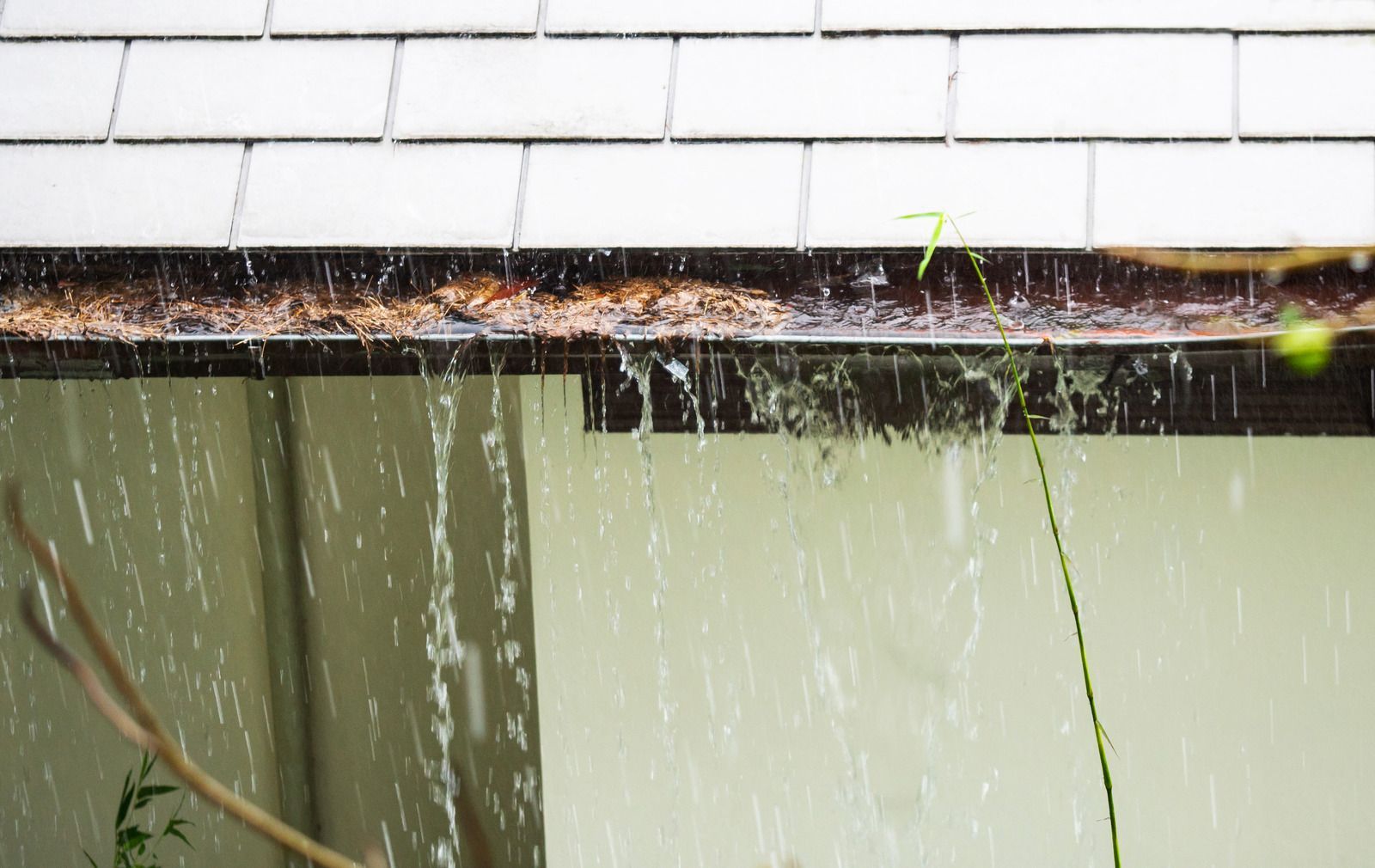
And one failed joint rarely stays contained to itself. Water escaping at a seam doesn't just drip straight down — it travels along the fascia board, soaking into the wood behind the gutter hanger and eventually into the soffit above it. A small seam leak, left alone, can turn into rotted fascia or soffit well before the gutter itself looks bad enough to justify a service call.
Why South Central Pennsylvania's Climate Changes the Math
This region doesn't get a break from either side of the water problem. Rainfall runs heavy for a good part of the year, and winter brings the freeze-thaw cycling that stresses every seam in a sectional system.
The rainfall load isn't small. Average annual precipitation across the Susquehanna River Basin, which includes Harrisburg, runs about 42 inches a year, and the basin has recorded a total as high as 73.73 inches in a single year at Harrisburg, according to the Susquehanna River Basin Commission. That much water has to move through a gutter system efficiently, and a joint that's even slightly compromised tends to show it during a heavy storm long before it fails outright.
Ice adds a second layer of stress. The National Weather Service explains that ice dams form when snow on a warmer part of a roof melts, runs down to a colder section near the eave, and refreezes there, building a ridge that blocks further drainage. The University of Minnesota Extension notes that this cycle keeps going as long as part of the roof stays above freezing while the eave stays below it — which describes a typical South Central Pennsylvania cold snap almost exactly. Ice forming inside or along a gutter during that cycle pushes outward on the channel, and a sectional joint under that kind of pressure separates far more easily than a solid seamless run does.
Freeze-thaw doesn't stop at the ice on the roof, either. The same repeated freezing and thawing that builds ice dams also works on the sealant at every sectional joint below it. Each cycle expands and contracts that bond a little more. Over a handful of winters, that's what turns a tight joint into a leaking one, even on a system that was installed correctly to begin with.
Warning: A gutter that's already sagging, separating at a joint, or pulling away from the fascia should get attention before winter sets in. Ice that forms in a compromised section adds weight and outward pressure a weakened joint or hanger is much more likely to fail under, and a full gutter collapse under ice load is a far bigger repair than resealing a seam back in October.
Material Choices Once You've Picked a System
Aluminum is the standard material for seamless gutters, mostly because it resists rust and stays light enough to install without much fuss. Copper is the other common option — it develops a distinct patina over time and holds up structurally about as well as aluminum, but the look is really what drives most people toward it. Steel adds extra resistance to dents and impact, which can matter on a property with heavy tree cover or regular exposure to falling branches and ice.
Thickness, or gauge, plays a role too. A heavier-gauge aluminum gutter resists denting from ice buildup, ladder contact, and falling debris better than a thinner one, and it's less prone to the rippling look sometimes called oil-canning that can show up on lighter material after enough temperature swings. That difference matters more on a home with mature trees or a steep roof pitch, where the gutter takes more physical abuse over the years, than it does on a small single-story home with a simple roofline.
Repair, Patch, or Full Replacement
Not every sectional gutter problem means the whole system needs to come down. A single weeping joint, caught early, can often be cleaned out and resealed without touching the rest of the run. Whether repair or replacement makes sense usually comes down to how far the damage has already spread.
Isolated leaks at one or two joints are typically a repair job, not a replacement. If the rest of the gutter still holds its shape, drains properly, and shows no rust-through, resealing the affected connections is usually enough to buy several more years of service out of it.
Multiple leaking joints, visible sagging, or separation from the fascia point to a system that's reached the end of what's practical to patch. At that stage, fixing one seam while three others are already failing just delays the same problem showing up again next season — often at a point where the fascia behind it has already started to soften.
Rust-through is a different signal entirely, especially on older steel or thin aluminum sections. That means the metal itself has failed, not just the sealant around it, and that kind of damage doesn't come back from a repair. It's usually the clearest sign that a section, or the whole system, needs replacing rather than patching again.
Tip: If a sectional gutter is otherwise sound and only one length has been damaged, say from a fallen branch, that section can often be swapped out on its own without touching the rest of the run. That's one place a sectional system still holds a practical edge over seamless, since a damaged seamless run generally has to be replaced in full rather than patched in place.
Choosing the Right System for Your Roofline
For a primary residence, seamless generally wins once the joint math gets laid out. Fewer connection points mean fewer places for water to find a way in during a heavy storm, and less exposure to the freeze-thaw stress that wears down sectional joints over a South Central Pennsylvania winter. The lighter maintenance load matters too, for anyone who'd rather not be back on a ladder every year checking the same three seams.
Sectional gutters still have their place, though. A detached garage, a shed, or a short-term rental where keeping upfront cost down matters more than 20-plus years of performance can be a reasonable fit for a sectional system, especially on a simple roofline with few corners and a short total run. The tradeoff is accepting more frequent inspection and resealing than a seamless system would ever ask for.
The roofline itself shapes the decision too. A home with a lot of corners, valleys, or dormers gains even more from going seamless, since a sectional system on a complex roofline ends up with more joints simply because there are more places sections have to meet. A plain, straight roofline narrows that gap somewhat, though the underlying joint-failure math still tilts toward seamless over the life of the system.
Frequently Asked Questions
How many joints does a seamless gutter system actually have compared to sectional?
Seamless gutters typically have four to eight joints, only at corners and downspouts. Sectional gutters on the same home, built from 10- to 12-foot lengths, reach 12 to 20 joints.
Can sectional gutters be converted to seamless without tearing everything out?
No. Seamless gutters are fabricated as one continuous run using a roll-forming machine on site, so sectional pieces cannot convert. Switching means removing the sectional gutters and installing new seamless.
Do seamless gutters still need to be cleaned regularly?
Yes. Fewer joints reduce leak risk, not debris. Leaves, seed pods, and roofing debris still collect in the channel or downspout. Heavy tree cover needs cleaning once or twice yearly.
What gutter material holds up best through a South Central Pennsylvania winter?
Aluminum is the standard choice, resisting rust and handling freeze-thaw cycling without steel's weight or copper's cost. Heavier-gauge aluminum resists denting from ice buildup, useful on properties with mature trees.
How long do seamless aluminum gutters typically last?
With regular cleaning and prompt repair, seamless aluminum gutters commonly last 20 years or more. Sectional systems face ongoing joint stress and often need resealing sooner, even with sound material.
Is it ever worth choosing sectional gutters over seamless for a full house?
Sectional gutters can work for secondary structures, rentals, or low-disruption situations. For primary residences protecting fascia, siding, and foundation long term, seamless's reduced joint count is generally the better fit.
Picking the Right Gutter System for the Long Haul
The choice between seamless and sectional gutters comes down to how many joints a home is willing to maintain over time. Fewer connection points mean fewer chances for water to slip past a seam during a downpour or work loose as ice forms and thaws through a Pennsylvania winter. Sectional systems still suit sheds, garages, or rental properties where upfront cost matters more than long term performance. For a primary residence, seamless remains the stronger investment against South Central Pennsylvania's weather.
J & D Gutters
has spent 30
years installing seamless systems across Harrisburg, PA, fitting each run to a roofline instead of relying on pre-cut lengths and sealed joints. That approach reflects what this region's weather demands, not what's easiest to install on a Saturday afternoon. Homeowners weighing the two systems are better served thinking about the next twenty winters than the next twenty minutes on a ladder, since the system chosen now shapes how the fascia holds up years later.