5 Early Signs Your Roof Needs Repair Before It’s Too Late
A roof plays a vital role in protecting a property from environmental exposure, temperature fluctuations, and moisture infiltration. Over time, however, even the most durable roofing systems experience wear due to aging materials, weather impact, and structural movement. Identifying early warning signs of damage can help prevent costly repairs, safety risks, and interior property damage. In today’s exterior remodeling industry, proactive roof maintenance has become essential for preserving property value, improving energy efficiency, and ensuring long-term structural integrity.
Many property owners overlook subtle roofing issues until visible leaks or major failures occur. This reactive approach often leads to increased repair costs and unexpected disruptions. Understanding the early indicators of roof deterioration allows timely intervention, reducing the likelihood of extensive replacements. From minor shingle damage to hidden moisture buildup, early detection empowers informed decision-making. By recognizing these signs and taking appropriate action, property owners can extend the lifespan of roofing systems, maintain comfort indoors, and safeguard investments. This guide explores five key warning signals that suggest roof repairs may be necessary before problems escalate into serious structural concerns.
1. Missing or Damaged Shingles Indicate Surface Vulnerability
Understanding the Role of Roofing Shingles
Shingles serve as the first line of defense against rain, wind, UV exposure, and debris impact. When installed correctly, they create a protective barrier that channels water away from underlying layers and structural components. Over time, weather conditions and aging can weaken shingle adhesion, leading to cracks, curling, or detachment across vulnerable roof sections. These issues compromise the roof’s ability to maintain consistent protection and resist seasonal environmental stress.
Visible Warning Signs to Watch
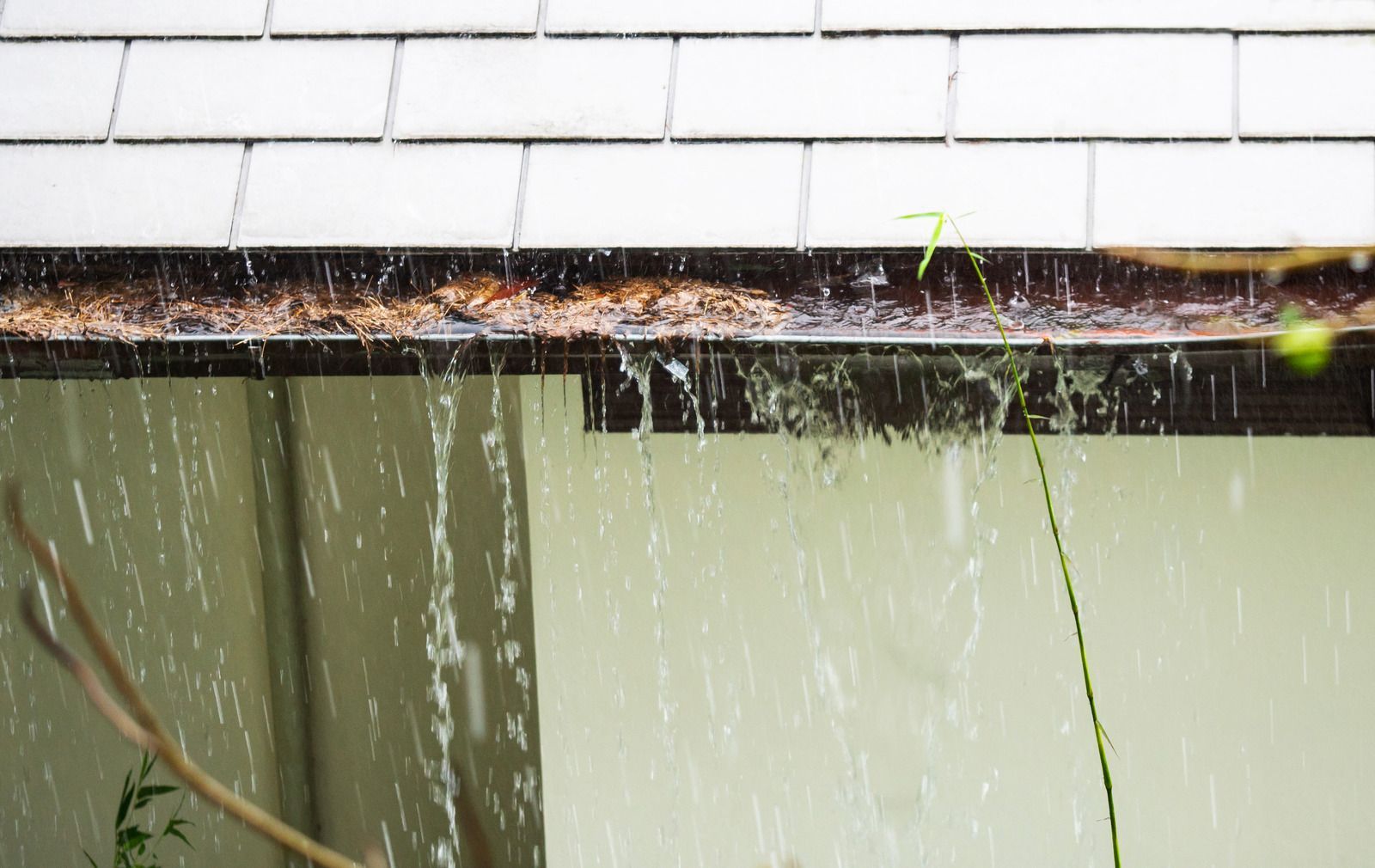
Property owners should regularly inspect roofing surfaces for uneven patterns, bald patches, or debris accumulation in gutters following storms. Missing shingles often result from strong winds, temperature shifts, or poor installation practices affecting long-term durability. Curling edges or granule loss may indicate prolonged sun exposure, moisture penetration, or material fatigue developing gradually. In colder climates, freeze-thaw cycles can further accelerate deterioration and reduce structural resilience.
Real-World Impact on Property Protection
When shingles fail, underlayment layers become exposed to moisture intrusion and damaging environmental elements. This can eventually lead to wood rot, insulation damage, mold development, and compromised indoor air quality concerns. For example, a small patch of missing shingles may allow rainwater to seep into the attic, causing gradual structural weakening over extended periods.
Best Practices for Early Action
Scheduling seasonal inspections and addressing minor surface damage promptly can significantly extend roof longevity and performance consistency. Repairing isolated shingle issues prevents widespread deterioration, preserves waterproofing integrity, and maintains the roof’s aesthetic consistency. Preventive maintenance also supports long-term cost savings and reduces the likelihood of emergency repairs.
2. Water Stains and Interior Leaks Signal Deeper Problems
How Roof Damage Leads to Interior Moisture
Water stains on ceilings or walls are often among the first noticeable signs of roofing failure developing internally. These stains usually indicate compromised flashing, cracked shingles, or blocked drainage pathways restricting proper water flow. Even a minor leak can gradually expand if not resolved quickly, affecting surrounding structural components.
Common Areas Where Leaks Develop
Leaks frequently occur near roof penetrations such as vents, chimneys, skylights, or valleys where slopes intersect. Improper sealing or aging materials around these features can create entry points for moisture during storms. In multi-level properties, leaks may travel along rafters or beams before becoming visible indoors.
Challenges of Delayed Leak Repairs
Ignoring early leaks can lead to costly interior restoration and significant structural complications over time. Moisture infiltration may damage drywall, flooring, electrical systems, insulation layers, and stored belongings within attic spaces. Additionally, persistent dampness can create an environment conducive to mold growth, posing health concerns.
Preventive Measures and Expert Insights
Routine attic inspections, especially after heavy storms or seasonal transitions, help detect leaks before significant damage occurs. Installing high-quality flashing and maintaining proper ventilation reduces moisture accumulation and enhances overall roof performance. Timely repairs also help preserve property value and interior comfort levels.
3. Sagging Rooflines Suggest Structural Stress
What Causes Roof Sagging
A sagging roofline often indicates structural strain caused by prolonged moisture exposure, excessive weight loads, or weakened support beams. Snow accumulation, trapped water, pest activity, or aging framing components can contribute to gradual deformation affecting overall stability.
Identifying Early Structural Warning Signs
Property owners may notice uneven roof ridges, dips between rafters, or visible bowing along exterior rooflines. Interior indicators include cracked ceilings, warped walls, or doors that suddenly become difficult to open properly. These changes may reflect underlying structural movement requiring prompt evaluation.
Real-World Consequences of Ignoring Structural Issues
If left unaddressed, sagging sections can compromise overall roof stability and safety during severe weather conditions. In extreme cases, structural collapse may occur under heavy snow loads or intense storm activity. Even minor deformation can reduce drainage efficiency, allowing water to pool and accelerate deterioration.
Actionable Solutions for Structural Integrity
Engaging experienced professionals to assess load distribution, framing strength, and reinforcement needs is essential for safety. Strengthening support systems, replacing damaged decking, and improving drainage design can restore stability effectively. Proactive intervention helps extend roof lifespan and prevent escalating structural repair costs.
4. Rising Energy Bills May Reflect Roofing Inefficiency
Connection Between Roofing and Energy Performance
A well-maintained roof contributes significantly to thermal regulation within residential and commercial property environments. When insulation layers become wet or ventilation pathways are blocked, energy efficiency declines noticeably over time. Heating and cooling systems must work harder to maintain comfortable indoor temperatures year-round.
Signs of Reduced Energy Efficiency
Unexplained spikes in energy costs, inconsistent indoor temperatures, or drafts in upper levels may indicate roofing inefficiencies. Damaged underlayment, ventilation blockages, or gaps in sealing can allow conditioned air to escape outdoors. These conditions increase strain on HVAC systems and raise operational expenses significantly.
Benefits of Addressing Energy-Related Roof Damage
Repairing roofing inefficiencies not only improves comfort but also lowers long-term utility expenses and environmental impact. Enhanced insulation performance supports sustainable living goals and improves indoor air quality for occupants. Energy-efficient roofing systems also contribute to increased property market appeal.
Best Practices for Energy-Smart Maintenance
Regularly clearing vents, inspecting attic insulation, and ensuring proper air circulation help maintain consistent energy efficiency. Upgrading roofing materials during repairs can further improve performance, durability, and weather resistance capabilities. Preventive strategies help stabilize indoor temperatures and reduce seasonal energy consumption.
5. Granule Loss and Gutter Debris Reveal Material Aging
Why Granules Matter in Roofing Systems
Granules protect asphalt shingles from UV exposure, mechanical wear, and extreme temperature fluctuations over time. As roofing materials age, granule loss becomes more noticeable, reducing protective performance against environmental stress. This process accelerates deterioration and weakens the roof’s resistance to weather-related damage.
How to Spot Early Material Breakdown
Accumulation of coarse, sand-like particles in gutters or downspouts often signals progressive granule shedding. Discoloration, dark streaks, or shiny patches on shingles may also indicate protective layers thinning significantly. These visible indicators suggest material fatigue requiring timely professional evaluation.
Real-World Implications for Roof Lifespan
Without adequate granule coverage, shingles become brittle, fragile, and increasingly prone to cracking under pressure. This increases vulnerability to wind uplift, water infiltration, and rapid weather-induced degradation across roof surfaces. Over time, widespread granule loss can necessitate extensive repairs or complete replacement.
Proactive Maintenance Strategies
Cleaning gutters regularly and scheduling professional inspections can help identify material aging concerns early. Replacing affected sections before widespread failure occurs preserves roof integrity and improves long-term performance reliability. Consistent maintenance planning also reduces unexpected repair expenses and structural complications.
Recognizing early warning signs of roof deterioration enables proactive maintenance, reduces repair costs, and protects long-term property value. Issues such as damaged shingles, interior leaks, sagging structures, declining energy efficiency, and granule loss often develop gradually. Addressing these concerns promptly helps maintain safety, comfort, and structural resilience. By prioritizing regular inspections and timely repairs, property owners can avoid disruptive emergencies and extend the functional lifespan of roofing systems.
Preventive care also supports sustainable property management by minimizing material waste and improving energy performance. Investing in early repairs strengthens overall exterior protection while enhancing visual appeal. A strategic approach to roofing maintenance ensures consistent performance despite changing environmental conditions. Understanding these key indicators empowers informed decisions that safeguard both financial investments and daily living environments.
Proven Exterior Remodeling Authority Supporting Long-Lasting Roof Performance
When roofing concerns arise, choosing experienced guidance makes a meaningful difference in achieving lasting results. With more than 30 years of hands-on industry expertise, J & D Gutters, an exterior remodeling contractor based in Harrisburg, Pennsylvania, stands as a reliable resource for addressing early roof damage and protecting structural integrity. A deep understanding of regional weather patterns, material performance, and evolving installation standards allows delivery of solutions designed for durability and long-term value.
Every roofing system presents unique challenges, from minor shingle wear to complex structural concerns. A detail-driven approach ensures accurate assessments, transparent recommendations, and efficient repair strategies that align with property needs. Commitment to craftsmanship, safety, and proactive maintenance helps prevent small issues from escalating into costly replacements. By combining proven techniques with modern exterior remodeling practices, consistent performance and enhanced property protection become achievable goals.
Whether focusing on preventive inspections, targeted repairs, or comprehensive exterior improvements, trusted experience plays a key role in achieving dependable outcomes. Prioritizing quality workmanship and informed decision-making supports property longevity while delivering peace of mind through every stage of the roofing lifecycle.